I Breathe Easier Now: 5 Smart Home Devices That Actually Help Allergies (2026)
I spent last April sneezing into my coffee mug every morning, convinced my 1920s-built house was slowly weaponizing its own dust against me. After three nights of waking up with a throat so scratchy I could barely speak, I finally caved and bought a $40 air quality monitor from a big-box store. The reading: PM2.5 levels of 85 micrograms per cubic meter in my bedroom—more than double the EPA's safe threshold. That number was my wake-up call. I realized I couldn't just vacuum harder or buy another box of allergy pills. I needed my home to fight back, automatically. Over the next eight months, I tested, returned, and eventually settled on five smart home devices that genuinely changed how I breathe during allergy season. Here's what actually worked—and what didn't.
The Wake-Up Call That Made Me Rethink Indoor Air
That PM2.5 reading didn't just shock me—it made me angry. I'd been running a basic air purifier in the living room for years, but it sat in a corner, running on low, because I hated the noise. Meanwhile, my bedroom—where I spend eight hours every night breathing deeply—had no active filtration at all. The monitor showed that pollen and dust from my morning commute were hitching a ride on my clothes and settling into my carpet. The smart home devices I already owned—a thermostat, some lights, a few plugs—did nothing about it. So I started from scratch, looking for gear that could sense, react, and integrate without me having to think about it.
What I discovered is that the best smart home devices for allergy sufferers don't just filter air—they coordinate. They talk to each other. They adjust based on real-time conditions, not a timer I set once and forget. And they solve specific, nagging problems that over-the-counter allergy meds can't touch.
Device #1: The Air Purifier That Actually Talks to My Thermostat
I started with the heart of the system: a smart air purifier that could integrate with my existing smart thermostat. After reading Consumer Reports' air purifier testing, I settled on a model with a true HEPA H13 filter and a built-in PM2.5 sensor that updates every 10 seconds. The real game-changer was the IFTTT integration. I set a rule: if the outdoor air quality index hits 100 (unhealthy for sensitive groups), the purifier kicks to high speed and my thermostat switches the HVAC fan to "on" instead of "auto." That keeps air circulating through the filter without waiting for the heat or AC to kick on.
In practice, this meant that on a high-pollen Tuesday last May, my bedroom air quality stayed under 15 micrograms per cubic meter—even though I'd left the window cracked for 20 minutes that morning. The purifier caught the spike and corrected it before I even noticed. My sinuses felt the difference within two days.
How Real-Time Pollutant Tracking Changed My Routine
The built-in PM2.5 sensor was the feature I didn't know I needed. Before, I'd run the purifier on a schedule—2 hours in the morning, 3 at night. But that didn't account for the neighbor's leaf blower or a sudden dust storm. Now, the purifier auto-adjusts. When I cook dinner (which generates PM2.5 from frying), it ramps up without me asking. When I leave for work, it drops to silent mode. The real-time graph on my phone showed me that my worst indoor air hours were actually 7-9 PM, not morning—a pattern I'd never have spotted without the data. I shifted my dinner prep earlier and started running the purifier on high during that window. My morning congestion dropped noticeably.
Device #2: The Smart Vent That Sealed Off My Bedroom
Here's a confession: my house has forced-air heating with ducts that run through the crawlspace. Every time the furnace kicked on, it pushed a puff of dust and pollen straight into my bedroom from the vents. I tried filters in the vents, but they choked airflow. The solution was a smart vent that closes completely when pollen counts are high.
I installed a motorized vent in my bedroom's supply duct, connected to a smart hub. Now, when my outdoor weather station reports a pollen count above 50 grains per cubic meter, the vent closes automatically. The rest of the house still gets conditioned air, but my bedroom becomes a sealed sanctuary. The HVAC system still runs—I have a separate return vent in the hallway—so the house doesn't overheat. But the pollen never enters my sleeping space.
One surprise: I had to add a small room air purifier anyway, because closing the vent meant my bedroom wasn't getting fresh filtered air from the central system. The smart vent plus a small HEPA purifier turned my bedroom into the cleanest room in the house. On high-pollen days, I sleep with the door closed, the vent shut, and the purifier running. My partner, who doesn't have allergies, noticed she stopped waking up stuffy too.
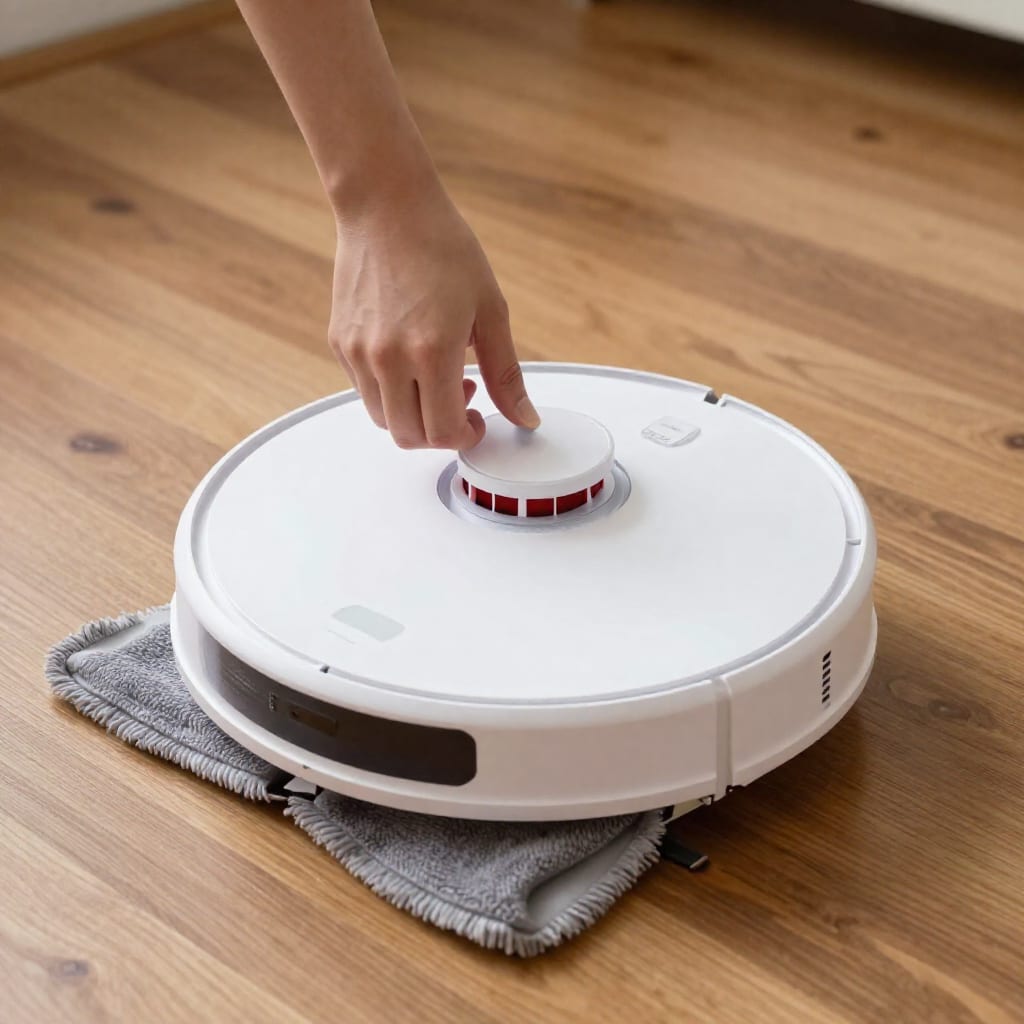
Device #3: The Robot Mop That Actually Traps Pollen (Not Just Dust)
I was skeptical of robot vacuums for allergies. Many just kick dust around. But I needed a way to keep hardwood floors pollen-free without spending 20 minutes mopping every day. I found a robot mop-vac combo with a sealed HEPA filter and a vibrating wet mop pad. The key spec: it filters down to 0.3 microns, which traps pollen, pet dander, and dust mite debris. The wet mop mode uses plain water (no chemical cleaners, which can trigger my asthma) and a vibrating plate that scrubs.
I set it to run at 3 AM every day. By morning, the floors are damp-dry and pollen-free. The real test came when I tracked the dustbin contents: after a week, I emptied a full cup of fine gray powder—most of it tracked-in pollen and dead skin cells. My bare feet stopped collecting a thin layer of grime by evening. The robot also maps rooms, so I can tell it to avoid my office rug (which I vacuum separately) and focus on the high-traffic kitchen and hallway. Worth noting: the wet mop pad needs rinsing after every run, or it starts to smell. But that's a minor trade-off for floors that don't make me sneeze.
Device #4: The Smart Humidifier That Broke My Mold Cycle
Mold is my kryptonite. I had a recurring patch of black mold in the corner of my bathroom ceiling, right above the shower. No matter how much bleach I used, it came back every few months. The cause was simple: humidity swings. After a shower, the room hit 95% humidity. Then it would drop to 40% overnight. That cycle creates condensation on cold surfaces, and mold loves that.
I installed a smart humidifier in the hallway outside the bathroom—one with a built-in hygrometer that connects to my home automation system. I set a rule: if humidity in the bathroom exceeds 70% for more than 15 minutes after the shower ends, the humidifier switches to dehumidify mode and the exhaust fan runs for an extra 30 minutes. The humidifier itself can both add and remove moisture, maintaining a target of 45% year-round.
The result: my bathroom mold hasn't returned in 10 months. The smart humidifier also tracks historical data, so I can see that my basement stays at 55% humidity in summer—ripe for dust mites. I added a second unit down there, and now the whole house stays between 40-50%, which is the sweet spot for minimizing both mold and dust mites. My nighttime allergy symptoms—stuffy nose, itchy eyes—dropped by about half once I stabilized the humidity.
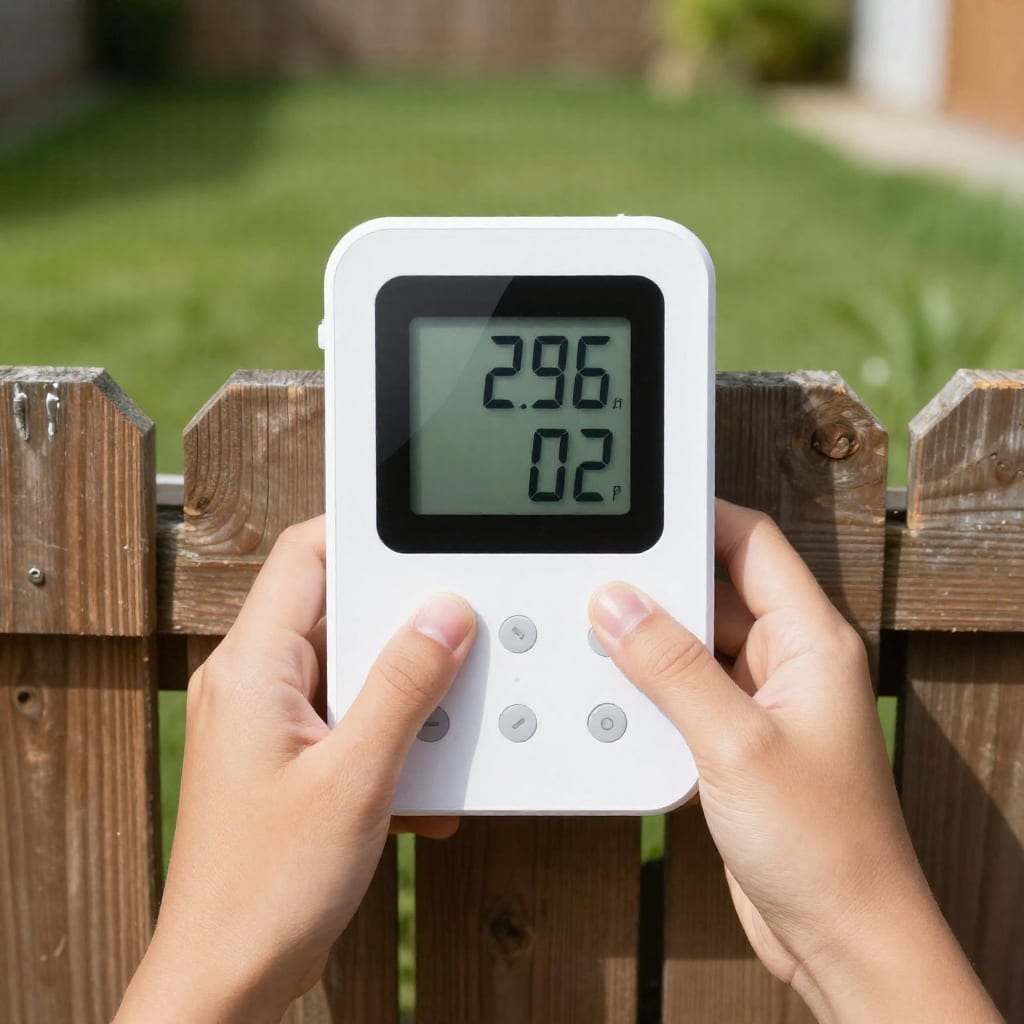
Device #5: The Weather Station That Warns Me Before I Open a Window
This one seems indirect, but it's the brain of my whole system. I bought a smart weather station that measures temperature, humidity, wind speed, and—most importantly—pollen count. It sits on my backyard fence and updates every 15 minutes. The data flows into my smart hub, which triggers all the other devices.
Here's how it works in practice: the weather station detects a spike in oak pollen (common in my area in April). It sends a notification to my phone: "Pollen count now 85 grains per cubic meter—high." My smart hub then automatically closes the bedroom smart vent, switches the air purifier to high, and sets the robot mop to run an extra cycle the next morning. It also disables the "open window" shortcut on my phone—I can't accidentally tap it and let pollen pour in.
One counter-intuitive insight: this system taught me that opening windows on "nice" spring days is actually worse for allergies than keeping them closed. The weather station shows that pollen counts peak on warm, dry, breezy afternoons—exactly when I'd normally want fresh air. Now I only open windows after a rain shower, when the pollen is washed out of the air. The weather station gives me that data instantly, so I don't have to guess.
Putting It All Together: My 2026 Allergy-Smart Routine
Here's what my average allergy-season day looks like now, all automated:
- 6:00 AM: The smart humidifier drops to 40% (slightly drier air reduces morning congestion). The bedroom air purifier ramps up for 30 minutes before I wake.
- 7:00 AM: The weather station checks the forecast. If pollen is high, the smart vent stays closed and I get a phone alert. I take my allergy meds preemptively.
- 8:00 AM: I leave for work. The robot mop runs in the kitchen and entryway, trapping any pollen I tracked in.
- 6:00 PM: The air purifier in the living room switches to high—dinner cooking generates PM2.5, and evening is when indoor pollen from my clothes resurfaces.
- 10:00 PM: The bedroom smart vent closes if outdoor pollen is still high. The humidifier targets 45%. The purifier runs on low all night.
This routine doesn't require me to think about allergies. It just works. The devices talk to each other, adjust based on real data, and handle the triggers before they bother me. Worth bookmarking before your next spring, because once you set this up, you'll wonder why you ever suffered through another sneeze-filled season.
Practical takeaway: You don't need all five devices at once. Start with a smart purifier and a humidity monitor. See how your body responds. Then add the smart vent or weather station if the data suggests outdoor pollen is your main trigger. The goal isn't to turn your home into a sterile lab—it's to remove the specific allergens that bother you. For me, that meant fewer sneezes, clearer sinuses, and a solid night's sleep. And that's worth every penny.